How to Recycle or Reuse These 10 Common Items.
Not exactly a glamorous topic, but we all create waste. It just happens. Some create more than others, obviously; some people are completely switched off from the plight of the planet, and there are some very dedicated zero-wasters out there. I like to think I'm closer to the latter than the former, but I am by no means chasing a zero-waste lifestyle. One of the most common hurdles I come up against in my quest to be more sustainable is HOW to recycle certain tricky items, and I am sure plenty of you have found the same.

I wanted to do a quick round up of how I get rid of some of the waste we create in our house, that may not seem recyclable on the surface. However, there is a caveat to this post. Some people will roll their eyes and say "it's better than nothing", but I've got to tell you that recycling is NOT going to save the planet. Don't get me wrong, it is 100% better than sending everything to landfill (obviously) but there are many reasons why recycling isn't the fix-all solution that we need.
- According to an article written for National Geographic (read it here), only 9% of the plastic waste we have created (up to 2018) has been recycled. That means the 9/10 of those plastic bottles you're buying actually end up in landfill, or worse, nature.
- Turning recycled materials into new products still uses up huge amounts of resources in the production process. Buying second hand over recycled is a more sustainable option.
- Products made from recycled polyester/plastic will often still shed micro-plastics. A sustainably sourced, natural material will always be a more planet-friendly option.
- Products made from recycled materials will eventually wear out like everything else, and have to be disposed of somehow. This means that they often end up going to landfill anyway. Again, second-hand-first, people!
No one is perfect though. I still buy some things in plastic, and occasionally I buy products made from recycled materials. Sometimes it's because of my budget, sometimes I can't find what I need plastic free or second hand, and sometimes it's all about the aesthetic. There are some GORGEOUS recycled products out there, and so many fantastic brands using consumer waste in innovative ways.
Some things are notoriously tricky to recycle at home; too many small parts, mixed materials, not knowing how to recycle certain things or a lack of local recycling facilities can have us sending things to landfill that could actually be put to good use elsewhere. With that in mind, here are some of the ways we direct waste away from landfill in our house:
1. Make-up containers: I don't wear a huge amount of makeup these days, but I do naturally create some waste with the bits I do wear. Terracycle recently launched a recycling scheme with Maybelline*, which makes it super easy for you to recycle most make-up containers in your local supermarket (you can find your nearest drop-off here). The awkward thing is, they don't accept glass or wood. Boots, on the other hand, do. You register for their scheme, drop off five beauty, wellness, health or dental products, and collect Advantage Card points as a reward (£5 worth!). Boots recycle the donations into new products where possible, and Stormboard where not. Apparently, nothing goes to landfill, and nothing is incinerated. Obviously, the majority of the products sold by boots are packaged in plastic, so I consider it their duty to try to lessen their impact on the planet.
*Maybelline are a part of the L'Oreal group. L'Oreal do not currently have a "zero animal testing" policy in place. As a vegan I do not recommend you buy from them, even if you are recycling with them.
2. Dental care: Have you ever tried to clean out a toothpaste tube? Probably not because it's an absolute pain. The Boots recycling scheme includes dental care, which is notoriously hard to know how to recycle. Another option is Terracycle, who have teamed up with Colgate and have over 750 drop-off locations for toothbrushes (manual and electric heads), toothpaste tubes and other dental care packaging. So far they have raised £13,000 for charity through this scheme alone! You do have to take off the "excess product" first, but it doesn't have to be squeaky clean. Alternatively, to recycle electric toothbrush heads and floss containers, check out the Terracycle x Philips Dental Care scheme.
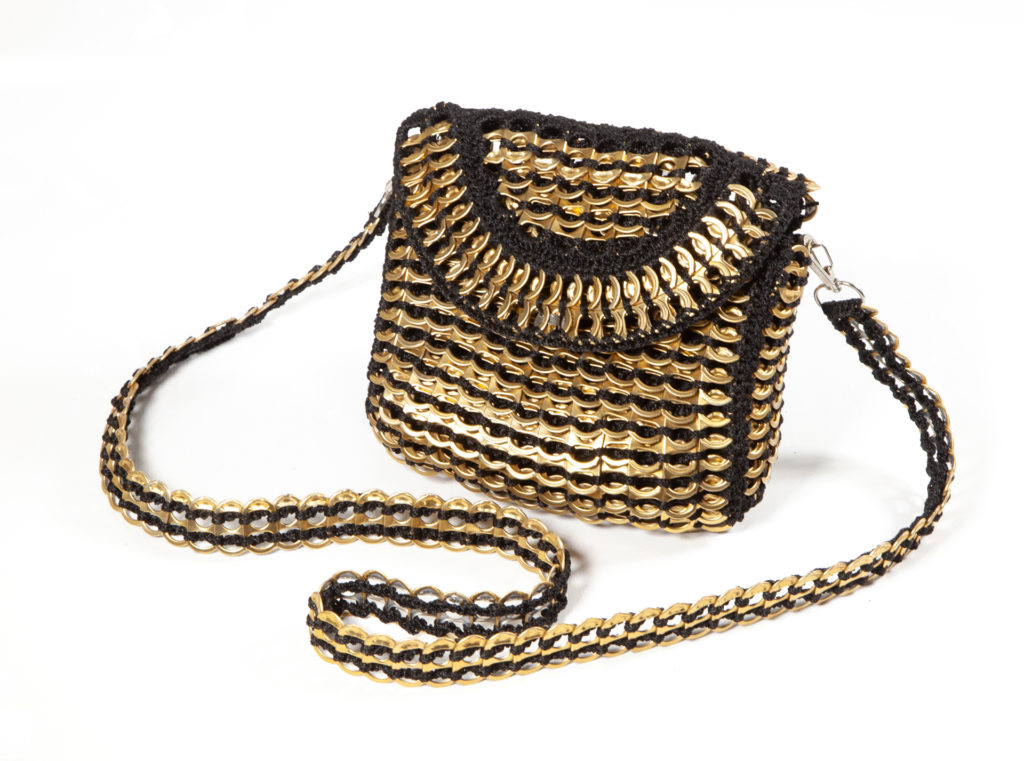
3. Ring pulls: We collect a lot of these in our house. We don't drink fizzy drinks, but due to the industry Elliot works in there is never a beer/cider shortage in our house. I had seen a few things made out of ring pulls on Pinterest, so I did some digging to see ours could come in useful for someone. The Purple Community Fund work with artisans in the Philippines to upcycle ring pulls into accessories and homewares. The artisans earn a reliable income whilst receiving training and opportunities to start their own businesses. The fund also support unemployed fathers to develop the skills needed for them to find work in the construction sector. You can post your ring pulls to the address on their website (from drinks cans only, no food tins!). My personal favourite product on their shop is the Bernie Bag in gold. Shop the whole collection here.
Outpost Charity, who offer much needed support to military personnel, veterans and their families, also collect ring pulls along with a whole host of other items. Take a look at the list here. (Outpost accept ring pulls from food AND drinks cans).
5. Pens: When I think about the amount of single use pens that go to landfill every day I want to cry. I haven't yet invested in a low-waste option in this area because I'm working through the masses of pens we've accumulated over the years first, but in 2021 is it really necessary for us to be chucking Bic biros away every other week? If you really can't crack the biro habit, though, and you want to know how to recycle your pens, look no further. There are recycling schemes available to you, to stop them going straight in the bin! Bic have teamed up with Terracycle on a scheme that recycles any brand of pen, highlighter or correction fluid pot, and Ryman also offer a pen recycling scheme in all of their stores.
If you happen to have a drawer full of pens that you are just not using (like we did), consider donating them to a charity that will get use out of them before you will. Pens For Kids UK collect pens for schools and orphanages in countries where education is seen as a luxury, and stationery is something that families simply cannot afford. Your pens can be new or used, but you should always test them before sending so as not to waste the charities time or money. Pop a note in the envelope to say they all work, and if you can donate to the overseas shipping of the parcels then that's a bonus!
6. Crisp packets: You have two options here. You could drop them off at a Terracycle x Walkers recycling point (they are turned into pellets for making new products with), or you could do your bit for the homeless community by turning them into a watertight blanket. The Crisp Packet Project has resources available if you are interested in making your own (all you need is an iron, some baking paper and your crisp packets), or see if there is a scheme in your local area that you can donate to.
7. Stamps: So many charities collect stamps to sell on to raise funds, so take five seconds out of your day to rip the stamp off that letter and do your bit for a good cause! Leave a 1CM margin of paper around the edge to ensure they aren't damaged, collect an envelope full and post them off to one of the following:
Outpost Charity
RNIB
Age UK
Greyhound Trust
Against Breastcancer
Or, check with your favourite charity to see if they collect and sell stamps - most do!
8. Freezer food/Bread bags: This shouldn't need explaining because it literally says how to recycle on the bag, but most freezer food and sliced bread comes in bags that can be disposed of via the carrier bag recycling points in supermarkets. Maybe it's laziness, or lack of awareness, but a lot of people throw them in the bin. You can also freeze veg scraps (for making stock) or food waste (for composting) in these to give them another life.
9. Compostable Parcel Bags: Speaking of food waste, I hope you have a food bin? If not, put it on your to-do list to order one from the council. I used to think that food would biodegrade in landfill, but I was mistaken. The food needs oxygen in order to break down, so when more and more rubbish is being dumped on top of it, it starts to give off methane instead. Methane is more damaging to the planet than carbon dioxide, so disposing of food responsibly is SO important. I have noticed a few companies sending parcels out in compostable bags recently, which is fab, as they can be used as liners for your food bin. Some shops are also using compostable carriers now which is such a solid move in the right direction.
10. Batteries: Ok, so I know you know how to recycle batteries, but this is just a reminder NOT to put them in your regular bin. While they are apparently safe to go to landfill, pretty much every supermarket has a recycling point for them, so there are no excuses for throwing them away. Most of us go shopping at least once a week - take your dead batteries with you!
My two top tips for recycling the tricky stuff are...
1. Pool together - if you don't want to collect lots of different things to be recycled, why don't you swap with a friend? For example, my parents have been sending me their crisp packets as they don't have a drop-off point nearby.
And
2. Start big - and by big, I mean the one you will make the biggest impact with, not the one that takes the most effort. If you eat one bag of crisps a year, but drink a can of Fanta every day, I would probably start with ring pulls.
I hope this list has opened your eyes to the possibilities of recycling some of those random items in your home. We are UK based, so for those of you in Europe, the US and beyond, not all of these solutions will be applicable, but I encourage you to research similar solutions in your local area!
I would love to hear from you if you know of any other recycling schemes that I can add to the list. I am always excited to learn about new sustainability initiatives.
Love,
Jen xo
You've written a fantastic article about recycling awareness social media campaign. This article provided me with some useful knowledge. Thank you for providing this information.
ReplyDelete